
- What comes to mind when you hear Auschwitz? What do you know about it? Any questions?
- What do you know about Auschwitz?
- Why has this place become a symbol of the Holocaust?
- What would you like to understand before visiting it?
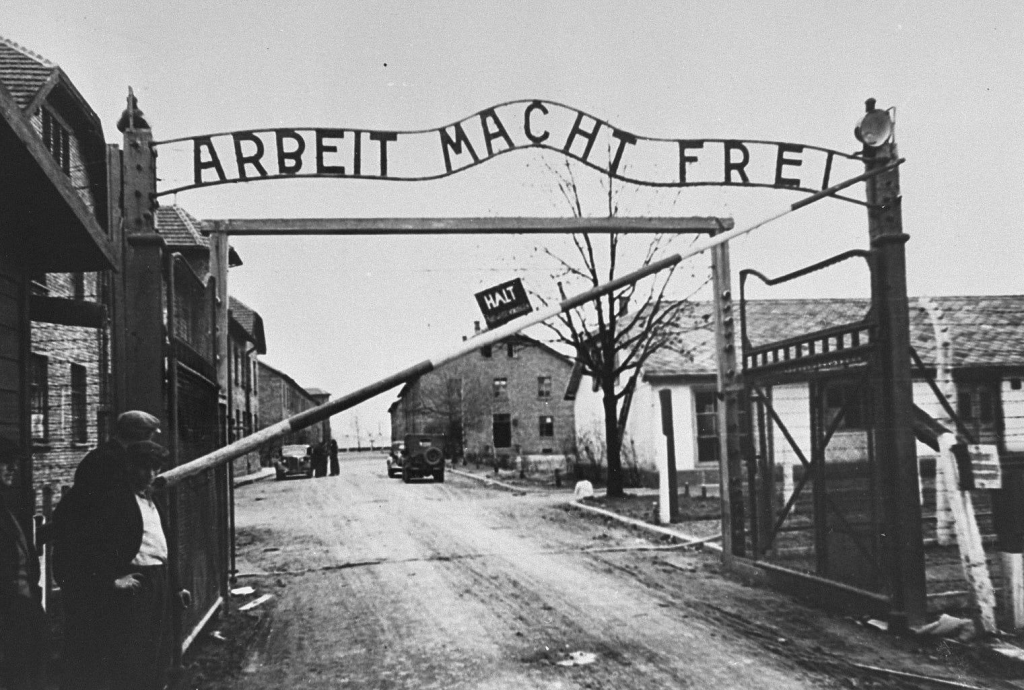
Auschwitz was a German Nazi concentration and extermination camp complex established in occupied Poland in 1940.
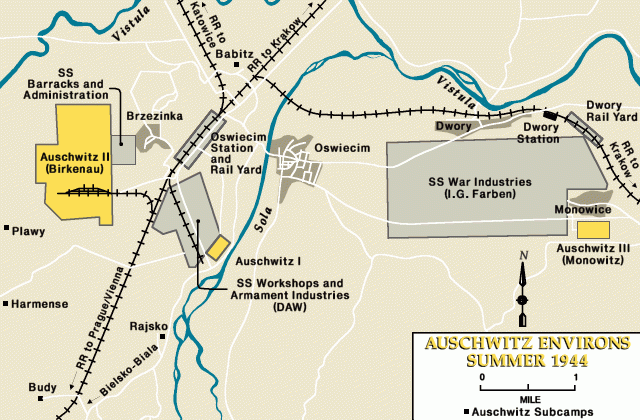
It was located near the town of Oświęcim. The Germans changed the town’s name to Auschwitz.
The camp complex consisted of three main camps:
- Auschwitz I – 1940.
- Auschwitz II-Birkenau – 1941
- Auschwitz III-Monowitz – a labour camp
There were also many smaller subcamps (Upper Silesia and Lesser Poland).
More than 1.3 million people were deported to Auschwitz between 1940 and 1945.
They came from many European countries.
The largest group were Jews. Around one million Jewish people were murdered there.
Other victims included:
- Polish political prisoners,
- Roma and Sinti people,
- Soviet prisoners of war,
- people from other European countries who opposed Nazi Germany.
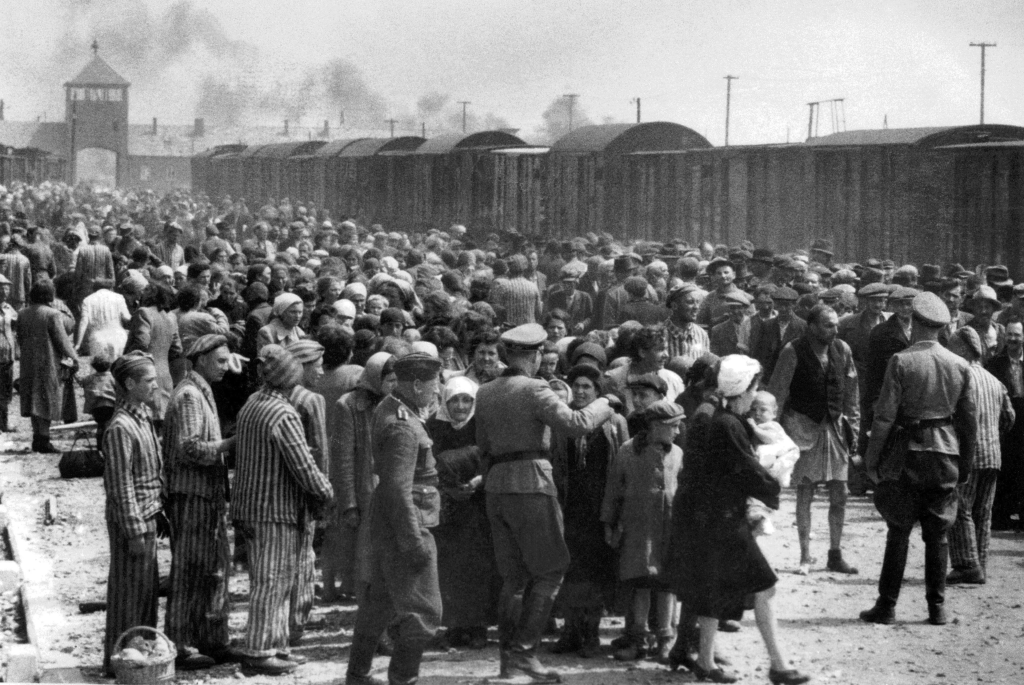
What happened after arrival?
Prisoners were forced to leave their belongings behind.
SS doctors and officers carried out a selection. Some people, mainly those considered fit for work, were sent to the camp.
Others – especially children, elderly people and mothers with young children – were sent directly to the gas chambers.
Most of those people were murdered shortly after their arrival.
Those who were selected for work had to live in terrible conditions. They suffered from hunger, diseases, exhaustion, violence and constant fear.
Everyday life in the camp
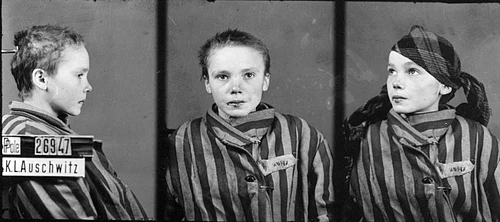
Prisoners were deprived of their names and identities. They were given numbers, which were tattooed on their arms.
They lived in overcrowded barracks and received very little food. They were forced to work long hours, often in freezing temperatures or extreme heat.
Many prisoners died because of starvation, diseases, exhaustion or violence.
It is important to remember that behind every number there was a real person – someone who had a family, friends, dreams and plans for the future.
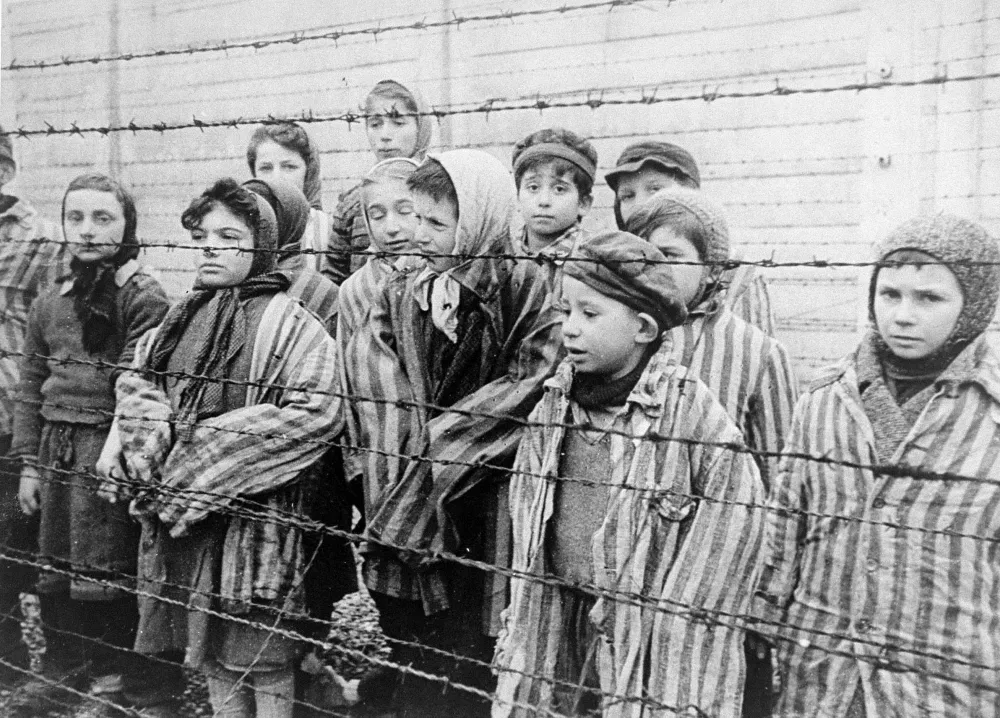
The liberation
On 27 January 1945, Soviet soldiers entered Auschwitz and liberated the remaining prisoners.
Around 7,000 prisoners were still alive in the camp. Most of them were extremely weak and seriously ill.
Before the liberation, the Germans forced tens of thousands of prisoners to leave the camp and march west. These marches are known as the Death Marches. Many people died on the way.
Today, 27 January is International Holocaust Remembrance Day.
Auschwitz is not just a historical site. It is a place that reminds us what can happen when hatred, racism, antisemitism and discrimination become part of state policy. The Nazi regime turned hatred and discrimination into state policy.
National Socialism (Nazism)
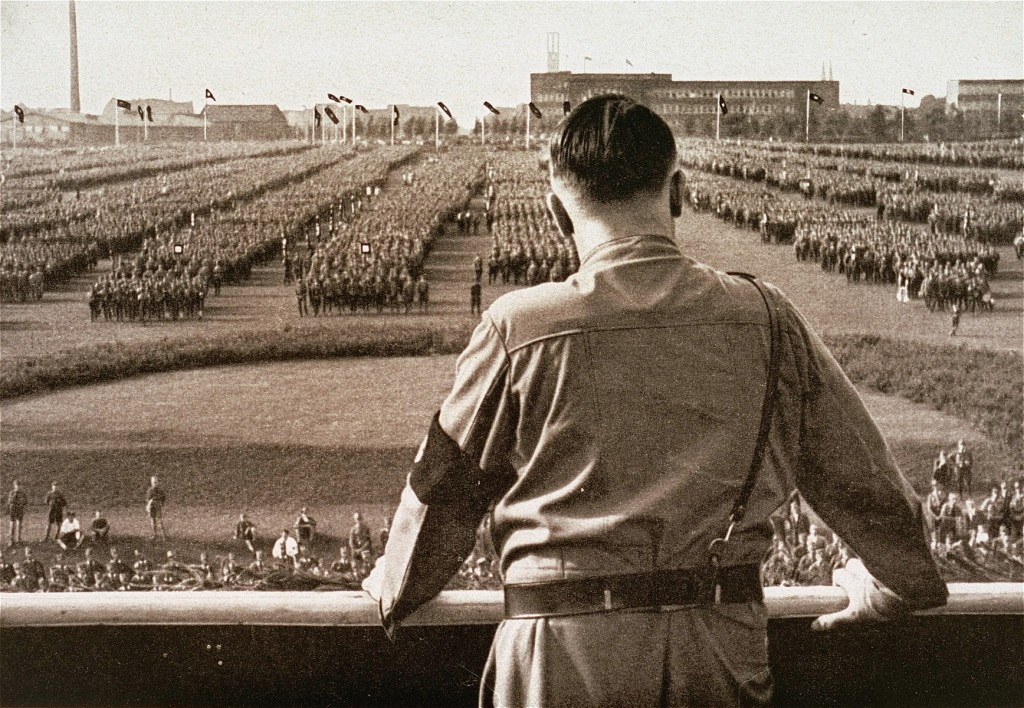
Nazism was a political ideology led by Adolf Hitler in Germany.
- Hitler came to power in 1933. He became Chancellor of Germany in 1933 and Führer in 1934.
- Nazis rejected democracy and established a dictatorship.
- They believed in racial superiority (wyższość rasowa – Aryan race) and considered some people inferior (gorsi od innych).
- Antisemitism was central to Nazi ideology. Jews were treated as enemies.
- They used propaganda to influence people’s opinions. Joseph Goebbels was Hitler’s Minister of Propaganda
- They persecuted many groups, including Jews, Roma, people with disabilities and political opponents.
The Holocaust did not begin with gas chambers. It began with ideas, words, propaganda, discrimination and the loss of human rights.
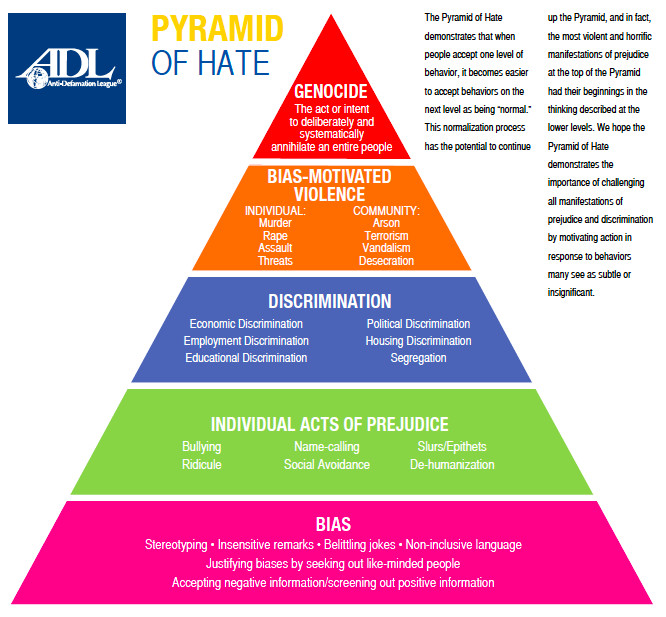
- hatred – nienawiść
- fear – strach
- prejudice – uprzedzenie
- racism – rasizm
- antisemitism – antysemityzm
- discrimination – dyskryminacja
- persecution – prześladowanie
- exclusion – wykluczenie
- violence – przemoc
- human rights – prawa człowieka
- equality – równość
- respect – szacunek
- indifference – obojętność
- bystander – świadek, osoba przyglądająca się
Take a moment to think…
- Can you think of examples of hate speech in everyday life?
- Why can stereotypes and jokes be dangerous?
- Can we stop hatred before it leads to violence? How?
Key Takeaways…
- Before visiting Auschwitz, I would like to understand…
- One question I have is…
- I think it is important to remember…